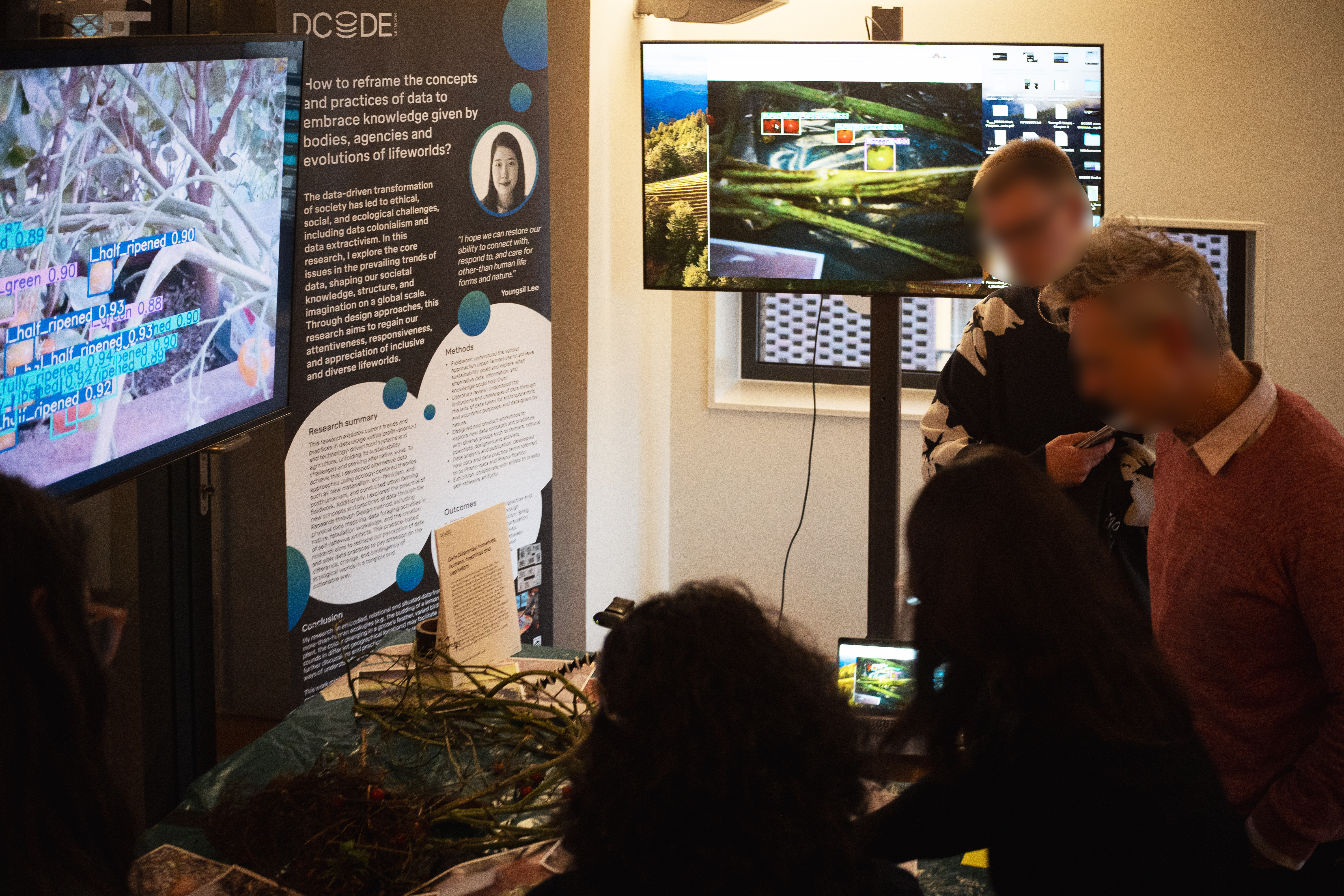
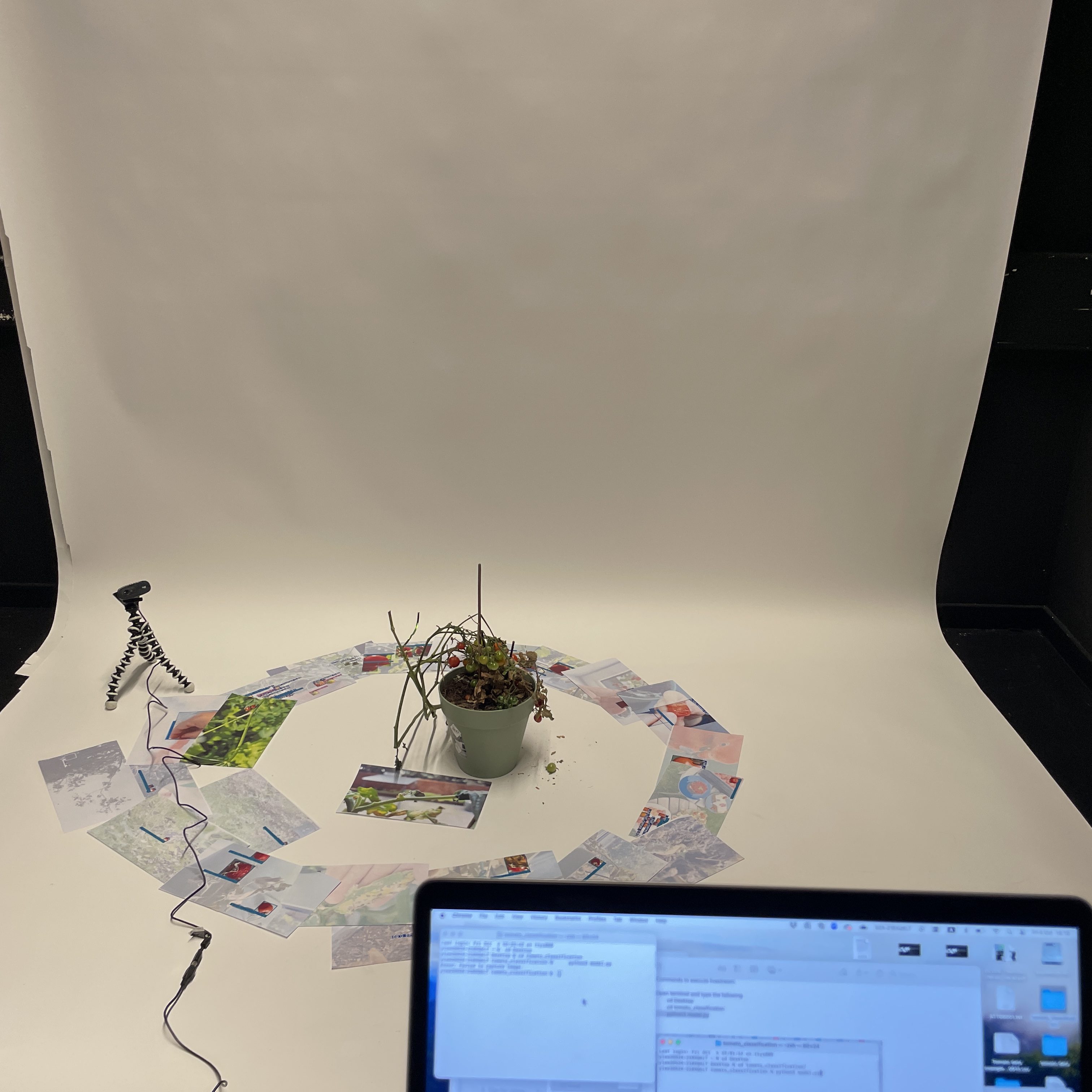
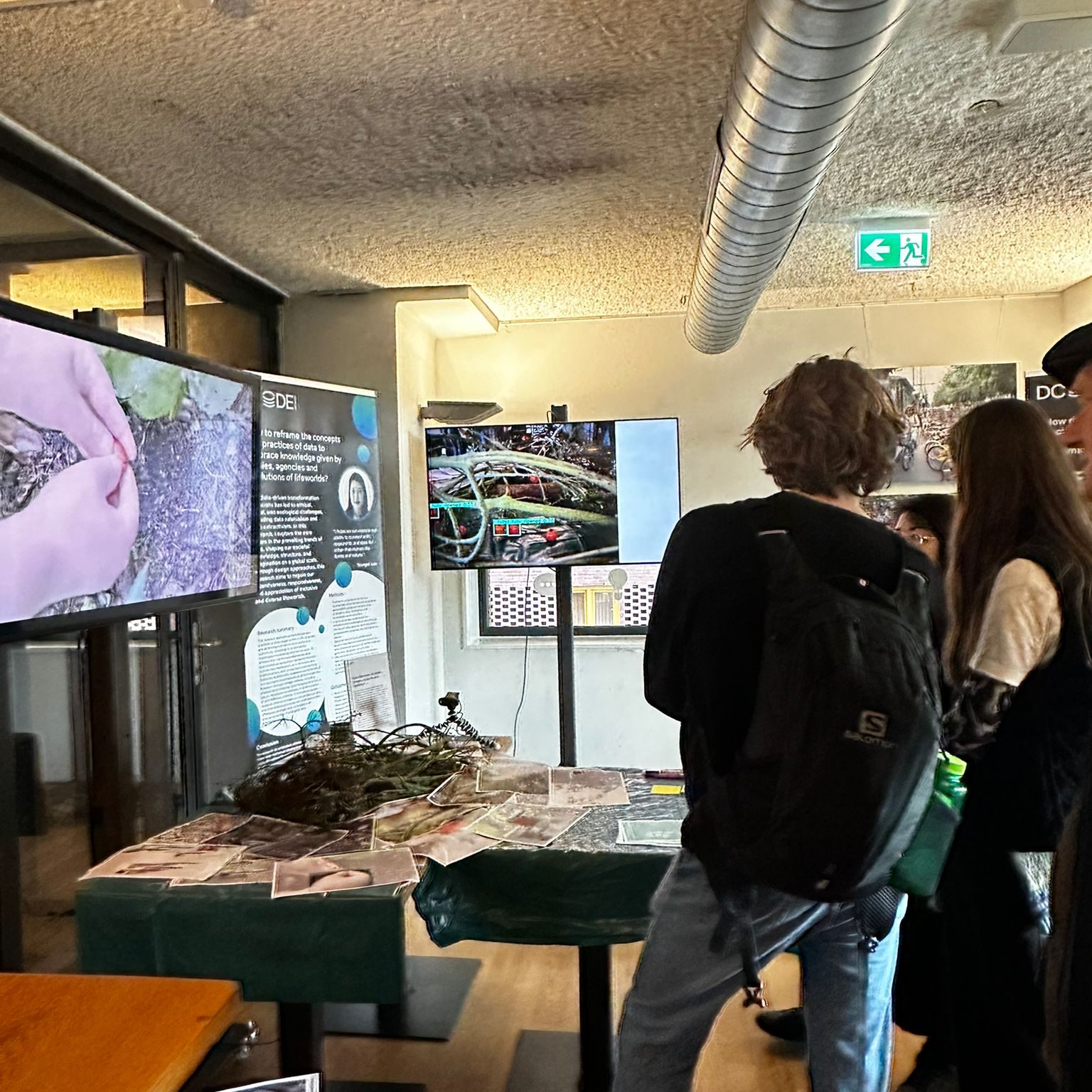
I created a self-reflective artwork in collaboration with a bio-artist, a design engineer, and biologists specialising in tomato research. The piece contrasts two very different ways of seeing data: one (computational data) generated by artificial intelligence, and another (Pheno-data) that records the complex, living context of tomato plants through video.
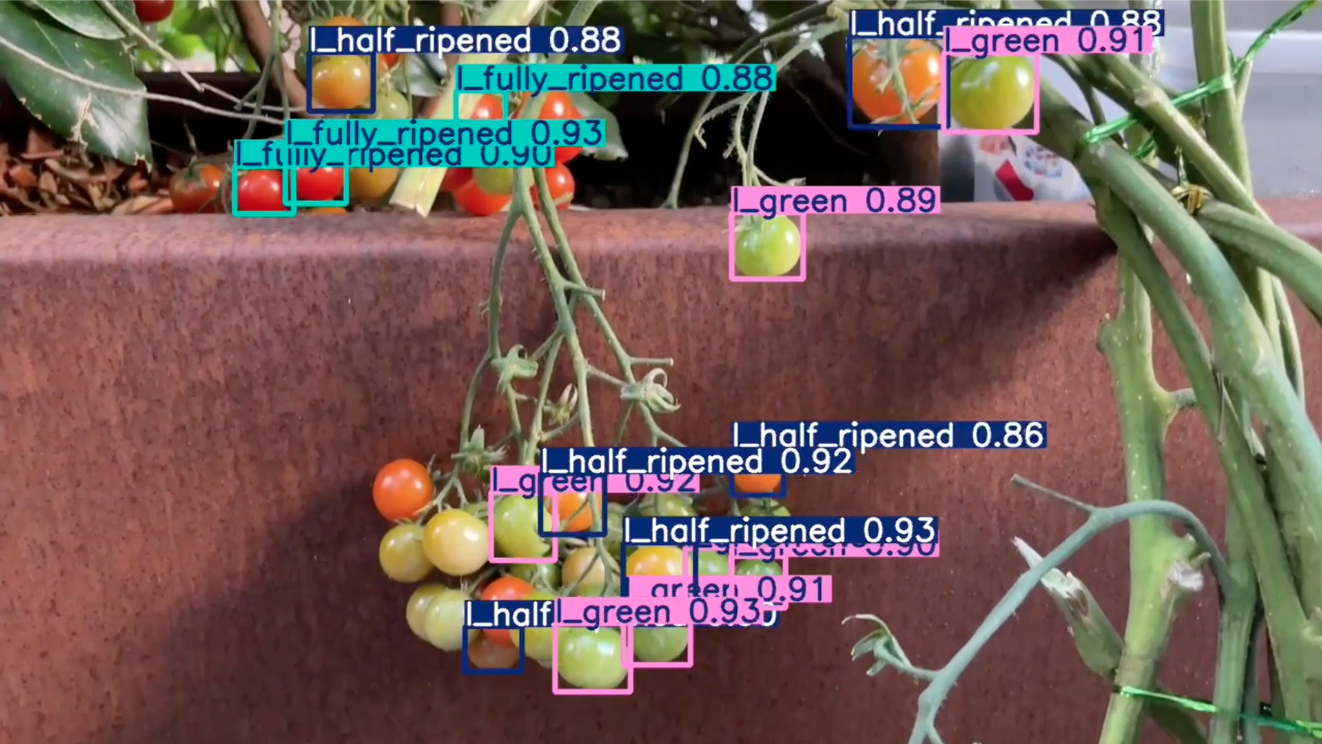
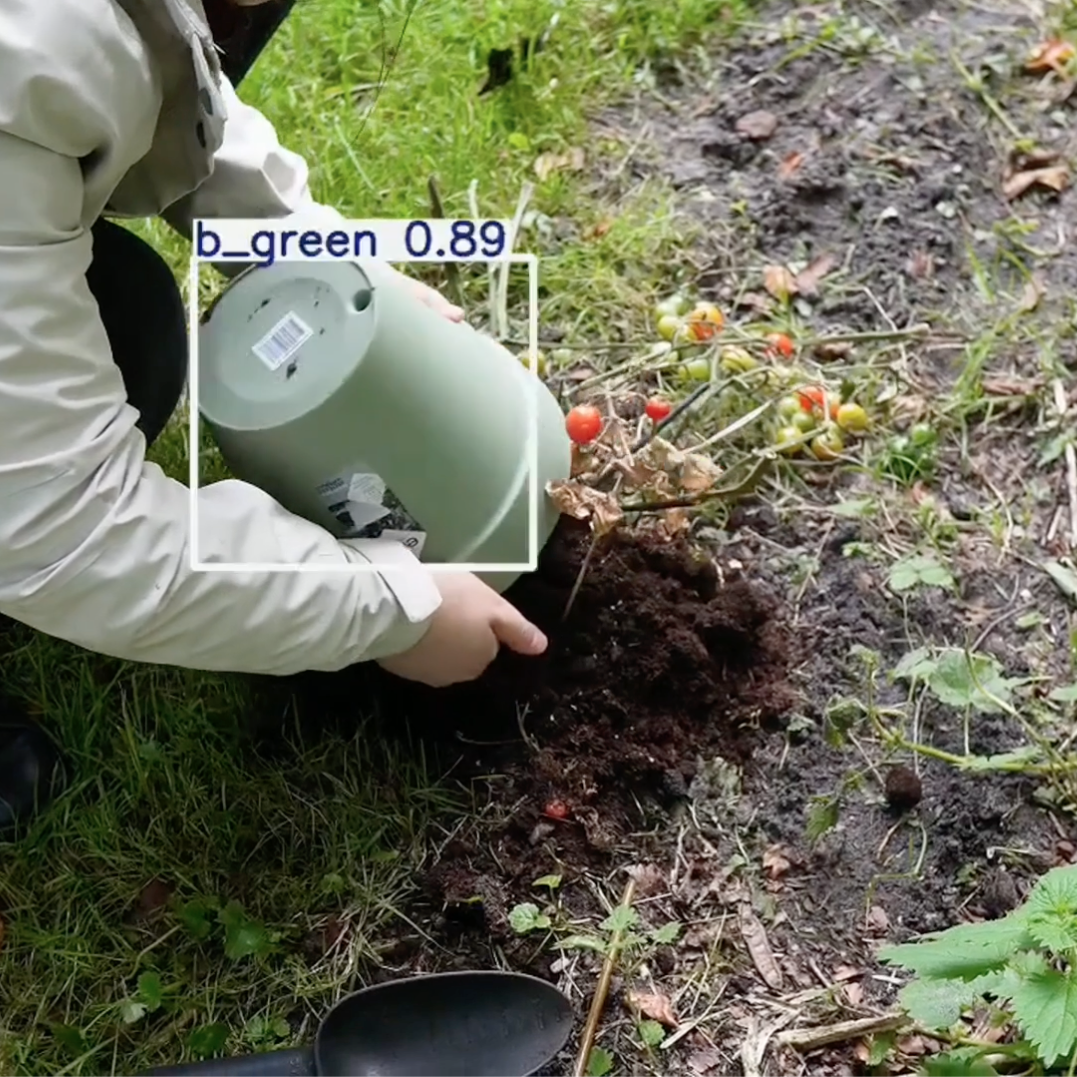
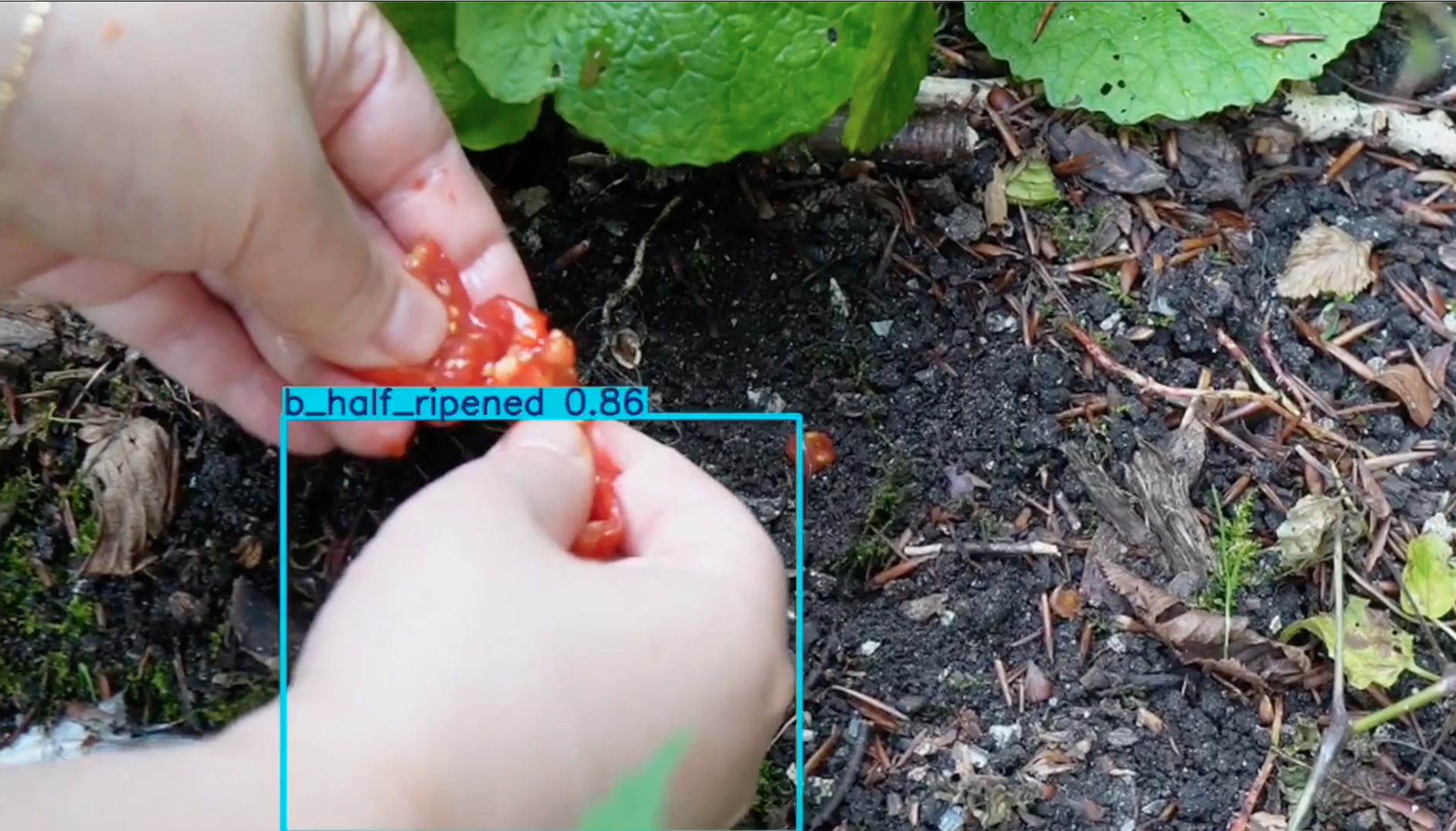
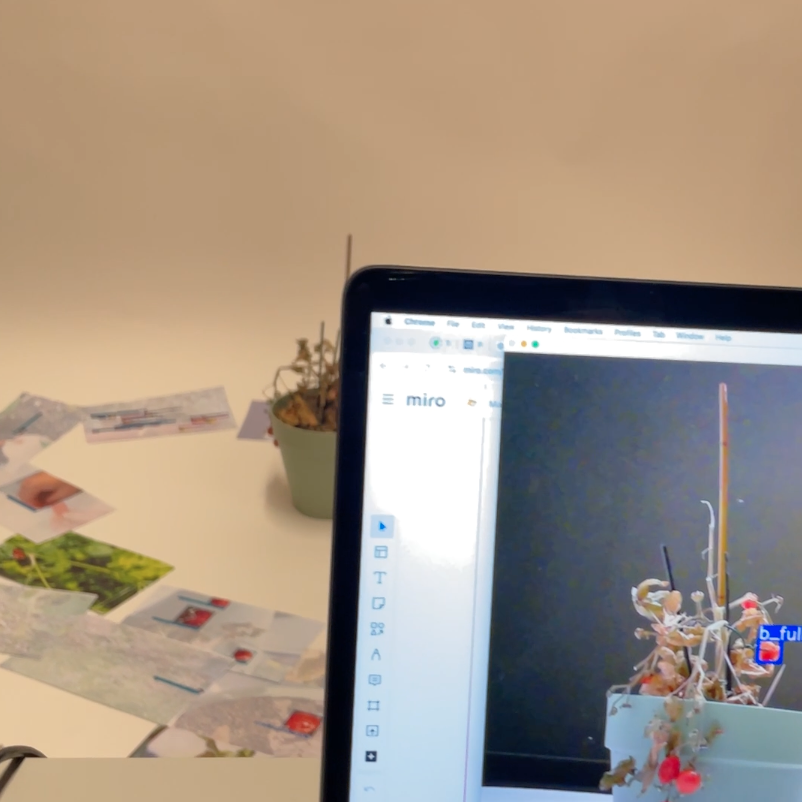
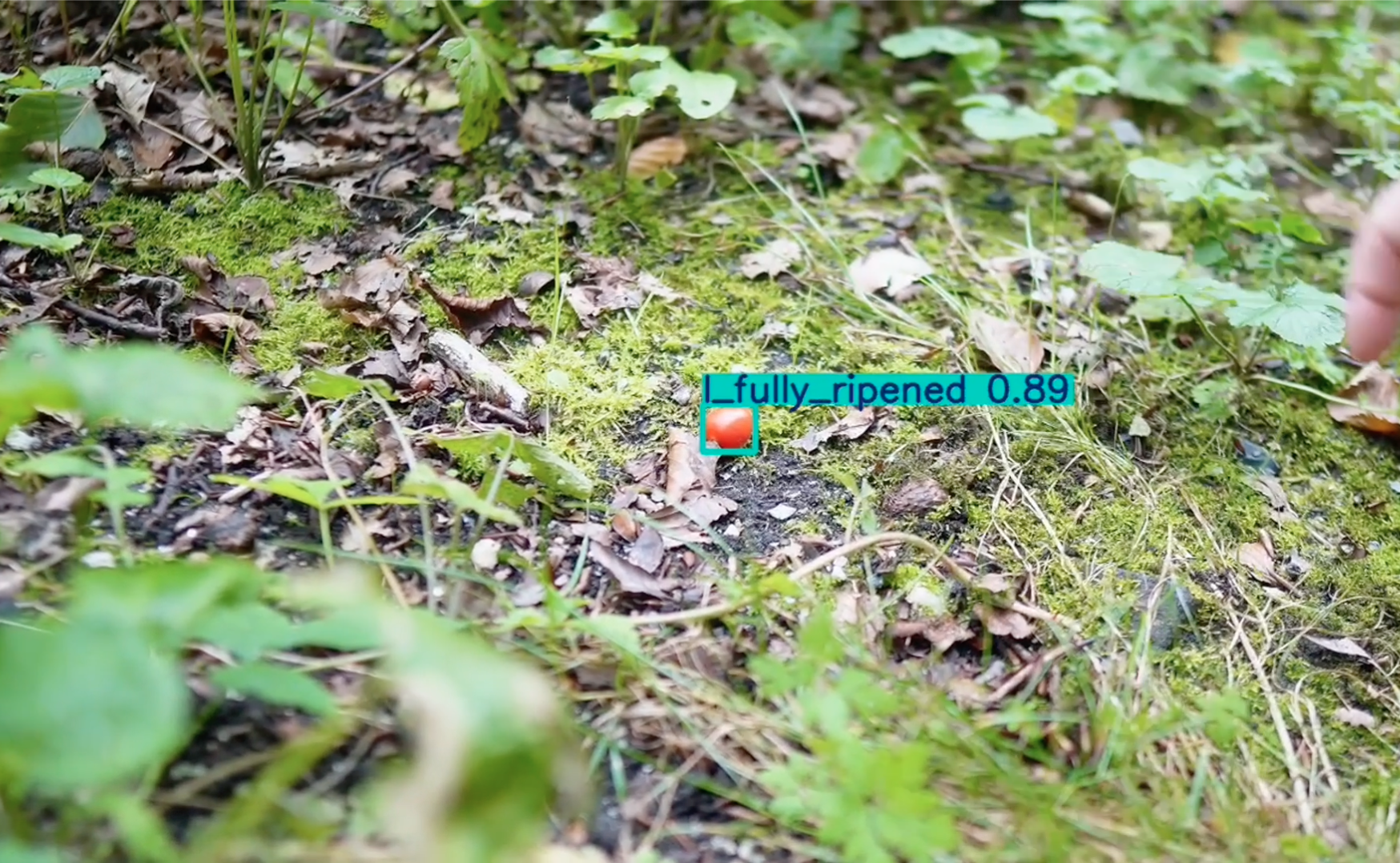
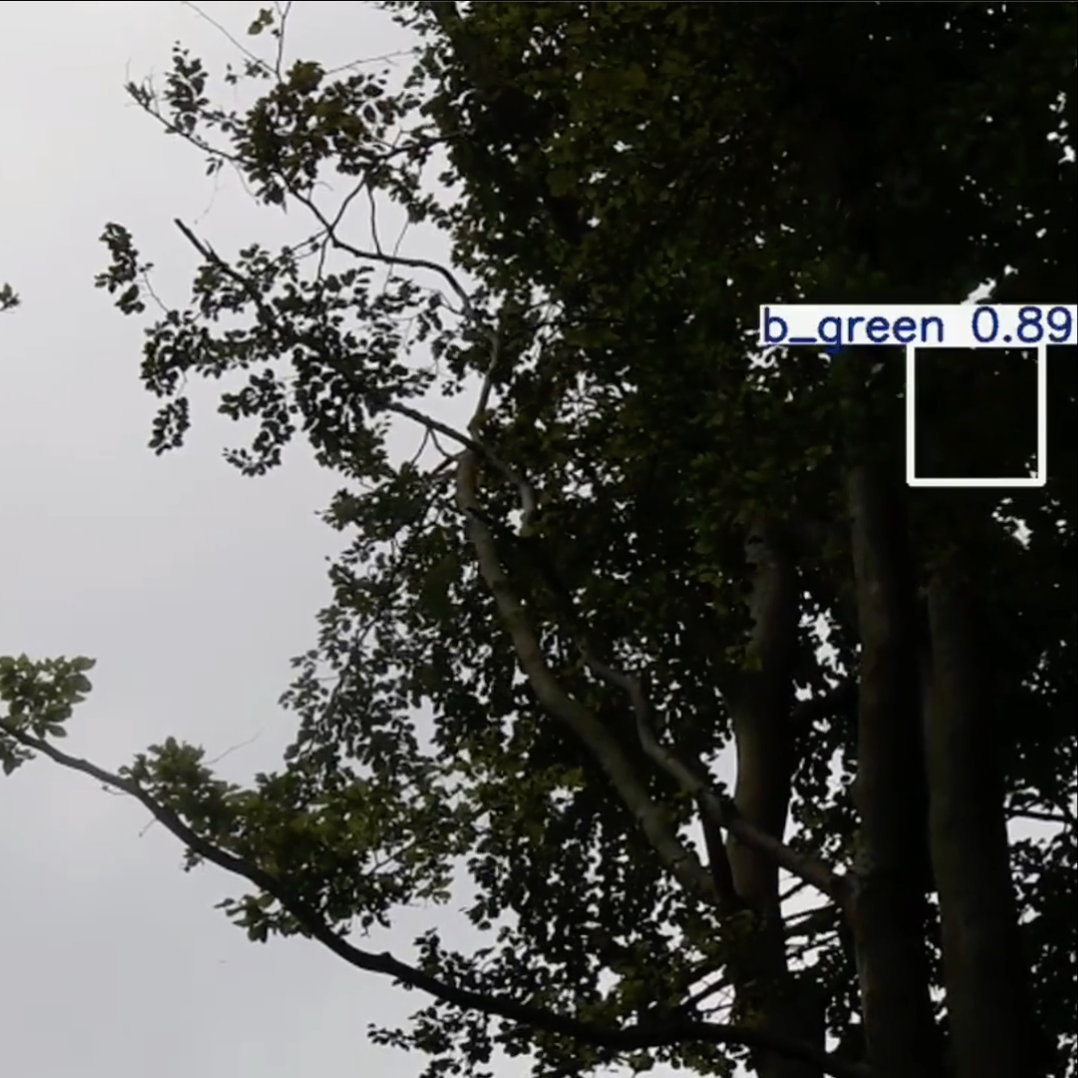
At home and in a nearby park, I recorded the full life cycle of tomato plants—focusing on their final stage, from fruiting to decay, a phase often excluded from the industrial cycle of commercial tomatoes. This footage was later reanalysed by a machine learning algorithm originally designed to assess tomato ripeness in industrial production. The results reveal how such technology, guided by narrow objectives, can easily overlook or misinterpret the regenerative power of death—where plants become part of others (fungi, insects, humans) and sustain their legacy through seeds.
Through this artwork, viewers are invited to reflect on how data-driven technologies may fail to perceive the intricate, relational qualities of life and death.
Exhibition
DCODE Final Event at Pakhuis de Zwijger
Collaborators
- Margherita Soldati (Artist): Provided supports throughout the entire design process, offering artistic insights that helped transform my concept ideas into a tangible artifact.
- Jerry de Vos (Design engineer, TU Delft): Made a tomato maturity detection sensor using the open-source YOLO algorithm and a tomato visual dataset (both created by Karthik Vinayan) from Kaggle. (Iittle_colour of fruit_% of maturity, big_colour of fruit_% of maturity)
- Xixi Min and Michele Butturini (Biologist, Wageningen University): Contributed through interviews, sharing their research on tomato physiology.
- Katarina Smolenova (Biologist, Wageningen University): Supplied simulation videos of the tomato digital twin in the beginning of my summary video.
Pheno-data
Pheno-data, combining “Pheno” (from Greek phainein, ‘to manifest’) and “data” (from Greek datum, ‘something given’), represents dynamic embodied, relational, and situated manifestations of planetary livingness across matters, bodies, relations, and ecosystems. Unlike data science, which forms datafication as a practice of abstracting and uniforming entities, this ecological data promotes “Pheno-fication”—an alternative practice for helping practitioners: 1) notice organisms’ evolving bodies and responses, 2) respond to dynamic other-than-human powers within specific spaces and times, and 3) imagine more-than-human ecologies that care for good life for all beings. For more information, find the term in the DCODE Glossary book
 YOUNGSIL LEE